100% AWARE

Project AWARE logo showing a diver and a shark

100% AWARE  — All Diver-level certifications I issue support Project AWARE


I’ve long been a supporter of Project AWARE.   They’ve done a great job encouraging conservation and promoting responsibility among divers for the underwater world.  Project AWARE recently relaunched, focusing on aquatic debris and shark conservation.

Aquatic debris is a tremendous problem.  A large portion of it is plastics.  Plastics that won’t biodegrade for a long time.  Plastics that can trap animals.  Plastic that might look like food, but when eaten can harm or kill animals.   Project AWARE has sponsored aquatic cleanups for a long time.   With their relaunch, Dive Against Debris has become one of their primary focus areas.
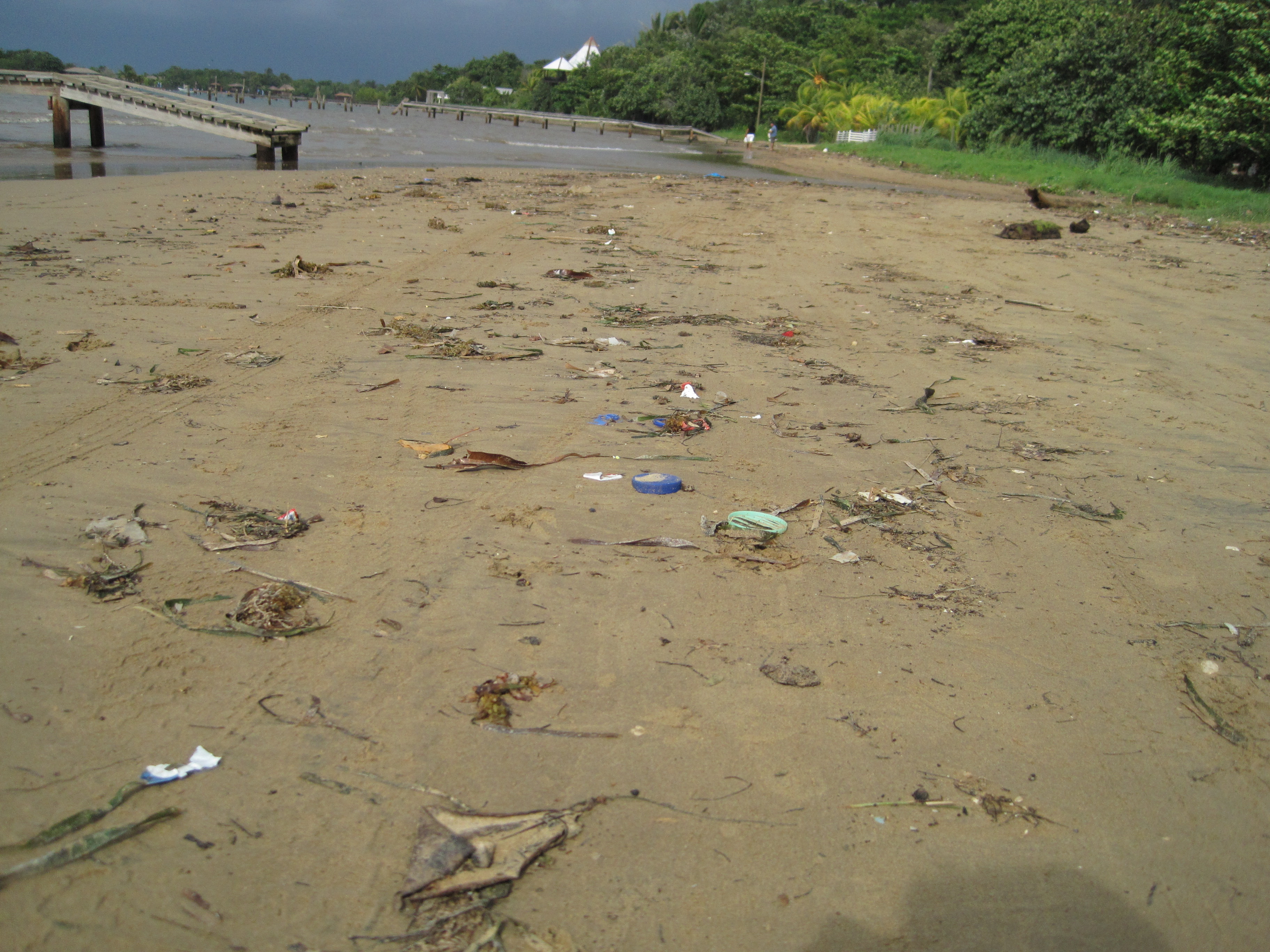
Debris washed on shore.  Project AWARE actively supports cleaning up trash.

Debris washed up on shore after a storm. Project AWARE's Dive against Debris program helps aquatic enthusiasts clean up our water ways.

I’ve personally sponsored 6 cleanups in Utah.   Our first cleanup, in partnership with the Living Planet Aquarium, picked up 1380 pounds of trash from Bountiful Pond, near Bountiful, Utah.   Our second cleanup, along the Jordan River Parkway in 2004, collected 1550 pounds of trash.  Even in a land-locked state like Utah, our water ways need to be cleaned up.   Project AWARE’s Dive Against Debris program helps us do just that.

Project AWARE’s other key focus is shark conservation.   Sharks are endangered; their primary threat being man.   Sharks are sleek and elegant in the water.   They’re not the blood thirsty man-eaters that we’ve seen in the movies.   Sharks are an apex predator, staying at the top of the food chain.   They help remove unhealthy marine animals and provide balance to the ecosystem.    Unfortunately, they are collected as by-catch or caught solely for their fins for shark fin soup, an Asian delicacy.   Sharks mature late in life, breed infrequently and have, relatively, few young.

When sharks are caught as by-catch (caught as part of normal fishing operations, but not the target fish species), they are often tossed overboard dead.   When harvested for shark fin soup, they are caught, fins removed and then often dumped overboard…still alive.   Either way, they are out of the ecosystem.   As an apex predator, that has long-reaching impacts.   That means there are more lower-level carnivores, which result in fewer herbivores.   The lack of herbivores means that there is more algae, which is at the base of the food chain.   Excessive algae can smother reef systems.   You can learn more about Shark Conservation in the new Project AWARE Shark Conservation Specialty Diver course.  You can also help conserve sharks by signing the petition on the right side of this page.


Project AWARE still has ongoing programs, such as the Project AWARE Specialty and Project AWARE Coral Reef Conservation Specialty.    While these are both PADI Specialty Diver courses, they are also open to non-divers as well.   When I conduct PADI Instructor Development Courses (IDC), I include a Project AWARE workshop.   That typically includes at least one PADI Specialty Course and reviewing how to teach the Project AWARE courses.


Check out the this great Animoto film my friends at Project AWARE put together for me:
Jon Rusho, 100% AWARE


Scuba Diving Emergency Management

Scuba Diving Emergency Management

All of the tenets of Emergency Management apply to scuba diving:

  • Prevention/preparation
  • Mitigation
  • Response
  • Recovery


Recreational scuba diving has a good track record of safety.   That said, there are still a number of scuba diving emergencies that occur each year, many of which can be prevented.   As with any activity, being prepared is key.  How do we prepare to handle scuba diving emergencies?

  • In the Open Water Diver Course, entry level divers are taught how to assemble their equipment, do a pre-dive check with a buddy and to dive with a buddy.   The pre-dive check, checking BCD, Weights, Releases, Air and a final check of everything else, can catch a lot of problems.   Too much weight, not enough air, etc.
  • Also, in Open Water, entry level divers are taught how to adjust their gear underwater or deal with certain equipment issues underwater.   By learning what to do, a bit of extra water in your mask doesn’t become a source of panic.
  • Advancing on in education, through the Adventures in Diving/Advanced Open Water course, divers dive in different environments and practice new skills.
  • In the PADI Rescue Diver Course, divers extend their skills to handle scuba diving emergencies, starting with a review of what they’ve already learned in Open Water and Advanced.
  • The next step is to start paying attention to other divers behavior.  Do they appear nervous (talking too much or not at all), unsure of what they’re doing (fumbling with gear),  not ready for the dive (inappropriate scuba equipment), etc?
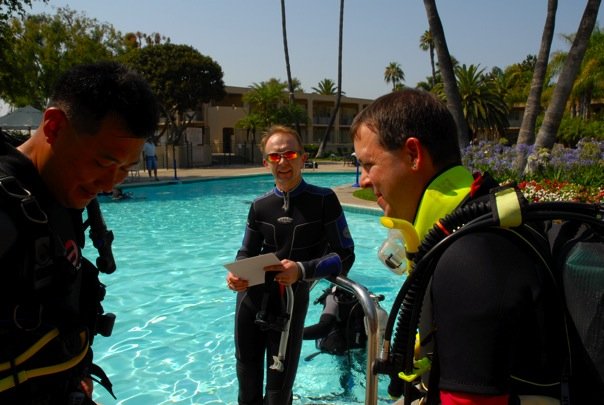
Divers doing a pre-dive safety check. Rescue Divers should make sure other divers do a pre-dive check to prevent problems.

Predive safety checks can prevent diving emergencies.

So far, that covers prevention and mitigation.   How do we respond to problems?

  • Like other emergency care, start with a scene assessment.   Are there hazards?   Is the diver missing and we need to search, or was the diver found unresponsive?
  • A Rescue Diver builds a tool kit of skills in the PADI Rescue Diver course: assisting from shore or a boat, surfacing an unresponsive diver, attending to an unresponsive, non-breathing diver at the surface, egress.
  • Rescue Divers also learn the basics of emergency management for a scuba diving emergency.   This can be managing the scene, working with other responders, organizing logistics for a search & rescue, etc.
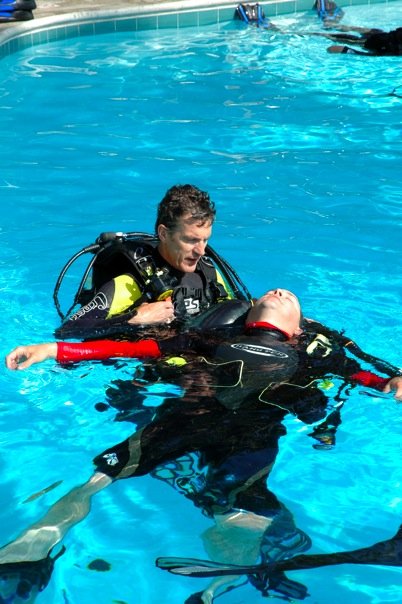
Rescue divers practicing how to respond to a scuba emergency: assisting an unresponsive, non-breathing diver at the surface.

Rescue Diver practice: responding to a scuba emergency on the surface.

Since scuba diving is often done in remote locations, EMS isn’t readily available.   Additional training on how to handle scuba diving emergencies can make a big difference in outcome.   I highly recommend the DAN Training programs, including:

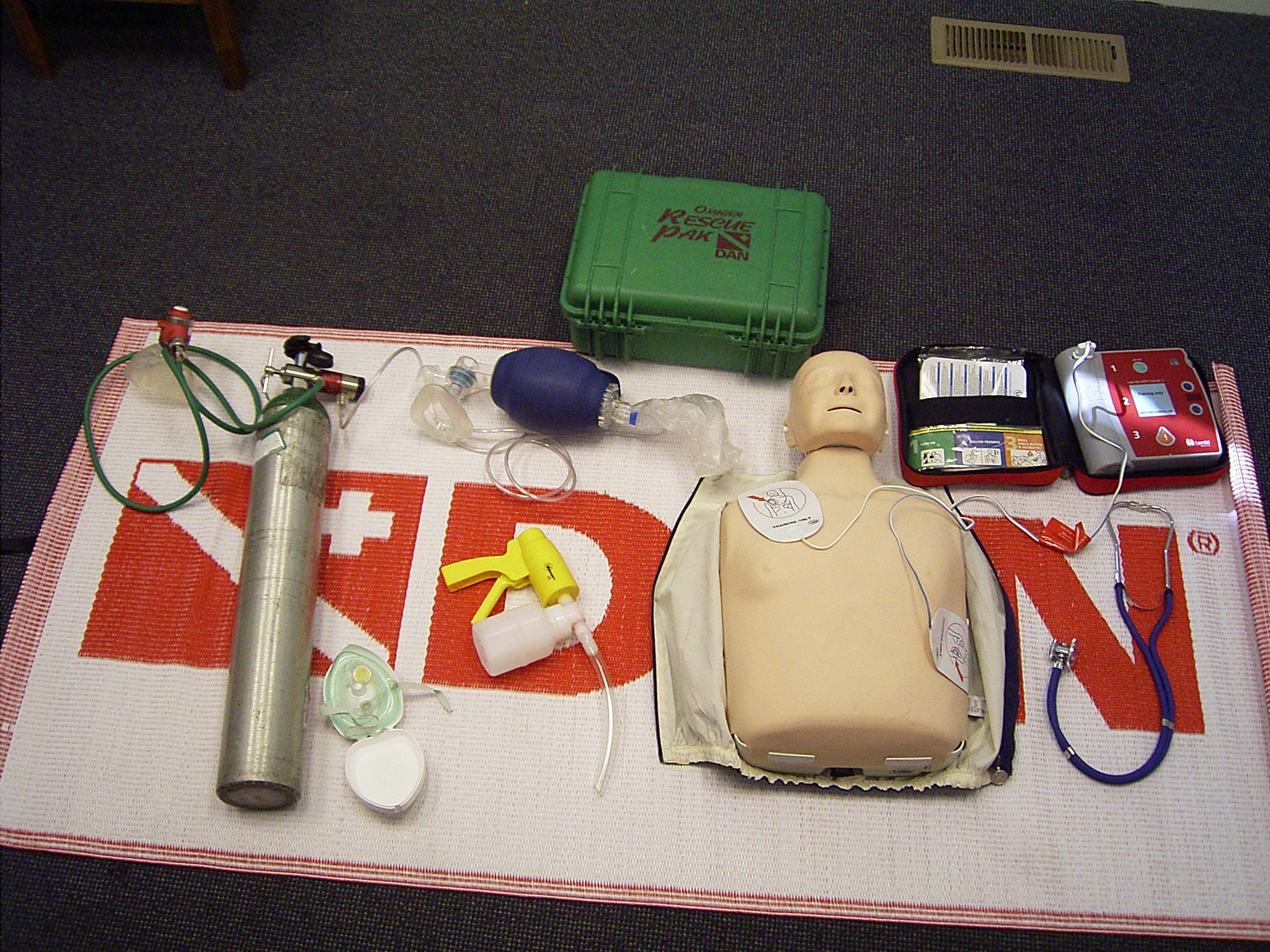
DAN First aid supplies including DAN Oxygen kit, bag valve mask, AED, pocketmask and other training aids.

Beyond the response to a scuba diving emergency, Rescue Divers also learn how to help the diver and themselves recover from an incident.   This starts in the response phase: if the injured diver can help with their own care, that gives them a sense of control which will help their recovery.   For the Rescue Diver, learning about how to handle their own stress after an incident can help them personally recover.


All of these skills are reviewed and practiced at higher levels in diver education.   Divemasters and Scuba Instructors need to be able to respond to scuba diving emergencies and manage them.