Dive Careers – Resort
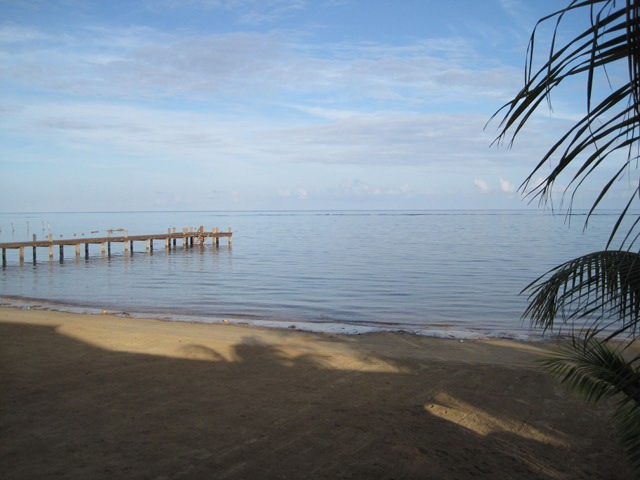
Imagine this as your office!
“Where do you want to be in five years?” The dreadful interview question. The obvious answer is “Living the dream. Working in a tropical paradise as a dive professional.” Of course, unless that’s what you’re interviewing for, it might not be the answer to get that job. But do you really want THAT job? Do you want to work at a dive resort in the tropics?
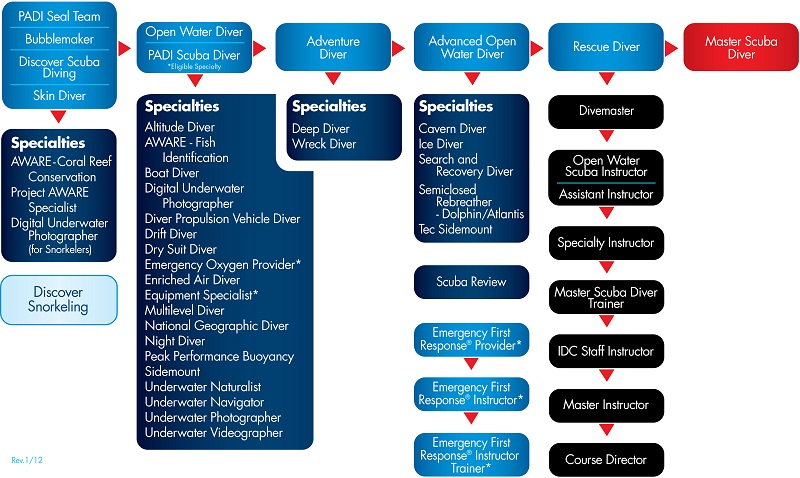
First, let’s make sure we’re clear. As a dive professional (divemaster, instructor, etc), you still need to work. But we get to work in the coolest place ever UNDERWATER! Of course, a lot goes into getting us ready to work underwater. Let’s take a look at what you might see at a small resort.
8:00 AM Get to the dive resort. Start filling tanks. Open up the front desk for customers.
8:15 AM Your first few divers trickle in. They want to go out on the 9:00am dive. You get them signed in and start getting gear together.
8:30 AM Divers from yesterday that signed up for the 9AM dive arrive. You greet them and get them situated with equipment.
8:45 AM You brief the divers on the location you’re going to take them to. Everyone is excited about the reef location you picked out. After your briefing, you direct everyone to grab their gear and meet at the dive boat. While they’re heading towards the boat, you grab your gear and any other equipment for the dive. This might mean wheeling a cart of tanks down to the dock to load onto the boat.
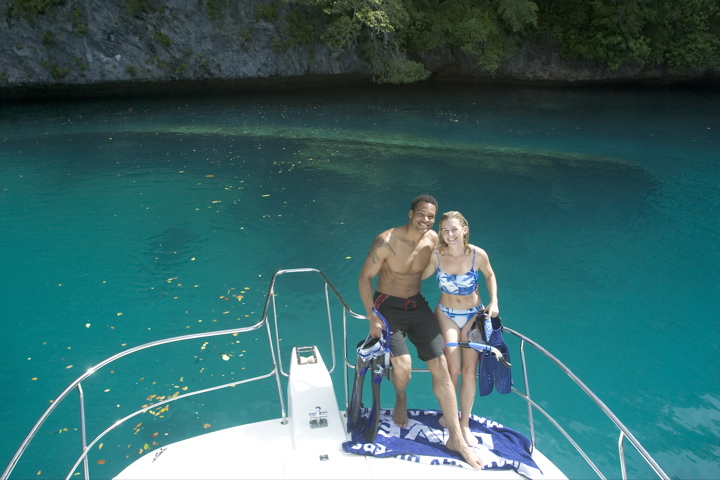
9:00 AM Your divers are all aboard the boat and are getting situated. Tanks are ready and they begin to set up gear. Your boat captain signals you to release the mooring ropes and you begin to motor out to the site. During the trip, you remind the divers of the dive plan and show them where the emergency equipment is on the boat.
9:20 AM You arrive at the dive site. You help divers get kitted up and they do back-roll entries into the water. After everyone is in, you direct them to the mooring line, then you enter the water.
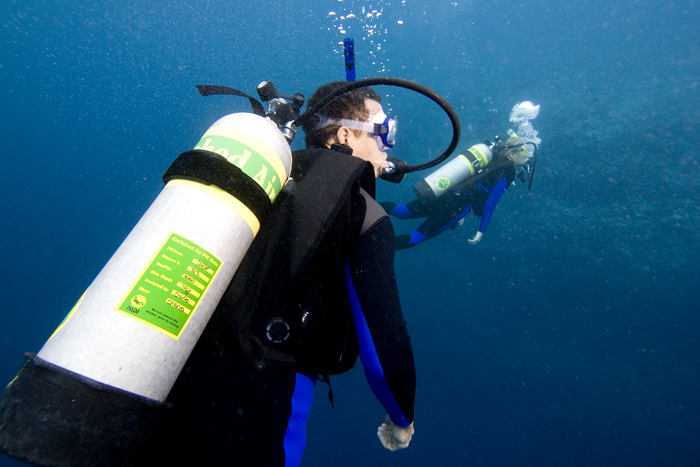
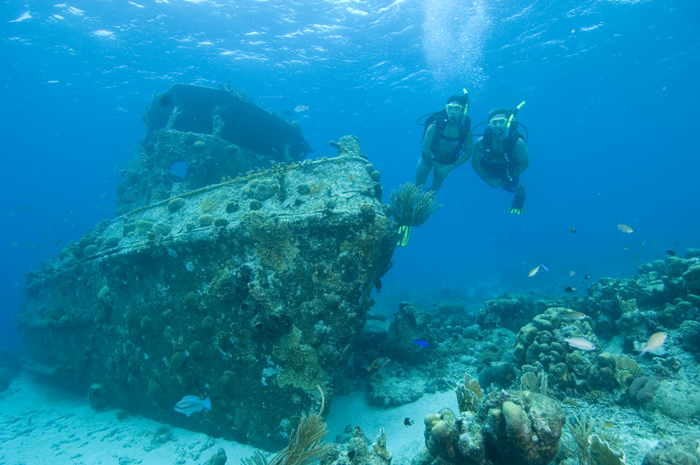
9:40 AM You’re underwater leading your first dive of the day. It’s a reef you know well, so you point out the squid, the eel that always lurks in one spot, the cluster of lobster and the many other fish.
10:00 AM You signal the divers to check their air. Everyone is okay. As you’re finishing your check, a sea turtle swims past. You give the divers a signal for turtle and point at the turtle swimming away from your group.
10:20 AM You signal the divers to check their air again. No one is low, so you continue the dive, turning back towards the boat. All of the divers are doing well, but one or two look cold. You think to yourself that they should have worn a wetsuit instead of just a swimsuit. Have to remember that, since they want to dive this afternoon.
10:35 AM You’re back at the mooring line. You give everyone the signal to make a 3-minute safety stop at 15 feet.
10:45 AM Everyone is back on the boat. Your divers are thrilled about what they saw and can’t stop talking about it. They break-down their gear as you motor back to the dock.
11:00 AM You’re back at the dock. There’s another group of divers ready to go out and one of the resort staff has a cart with full cylinders. You greet the new divers and say goodbye to some of your previous group; some of the previous group is going out on the next dive.
11:10 AM Everyone is situated and you start briefing the dive. New location, new things to see.
And so on. The second group, after they dive, go back to the resort and grab a snack. You’ve another group going out at 2pm for the third dive of the day. They have a junior diver so another instructor is coming along to guide that junior diver and parents on a shallower dive than you’d planned. On around 4pm, you’re back at the resort and start cleaning up the boat, getting it ready for tomorrow. Around 5pm, you head into the resort to greet the divers and find out what the plan for tomorrow is. One of your divers from today buys a round of beers for you and the shop staff. You sit around and discuss the day’s dives. Depending on the resort, you might stick around for dinner and keep up with the social side of diving. After a good meal, a few drinks and a lot of dive talk, you head back to your room or house and get some sleep. Tomorrow morning will come early enough.
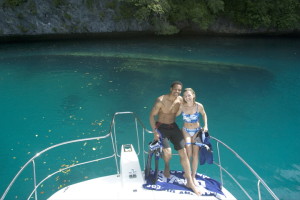
Like I said, it’s work, but it’s really, really cool. You might follow the same schedule for five or six days before having a day off, but showing the amazing underwater world to divers is one of the coolest, awesomest jobs in the world.
Now, what are the gotchas? There are a few. You might need a work permit for some countries. Handling your money outside of the US can occasionally be tricky, and there might be issues with moving funds between countries. And the tropics have some of their own unique challenges. On my first trip to Central America, I was told, “Use bug spray. The mosquitos during the day spread malaria. The ones at night are dengue.” The tropics have a lot of diverse life, both above and below the water line. Be careful and take care of your self. Also, tropical work can be seasonal. You might not have a contract for the full year. Rather work six months of the high-season and then move on. The good news is that there is diving all around the world, year-round.